
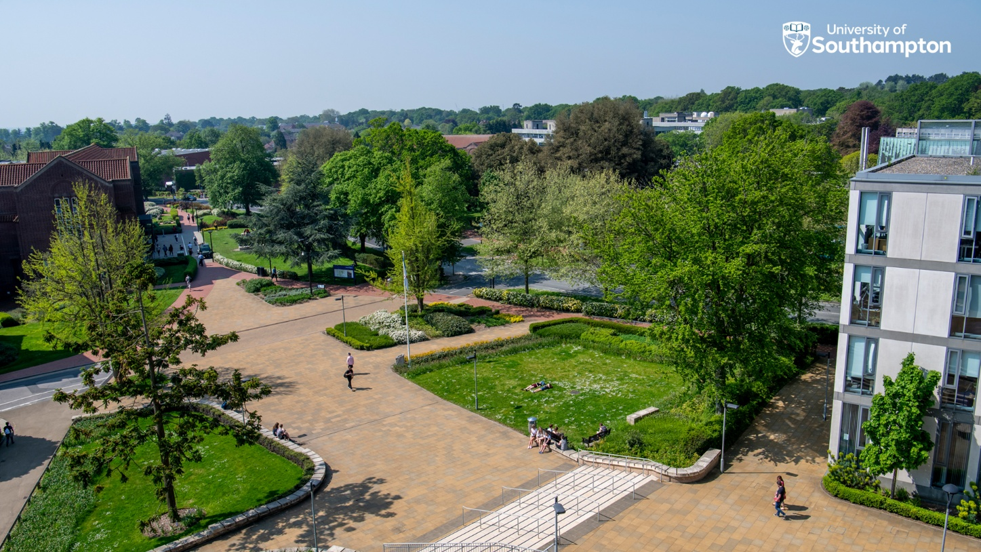
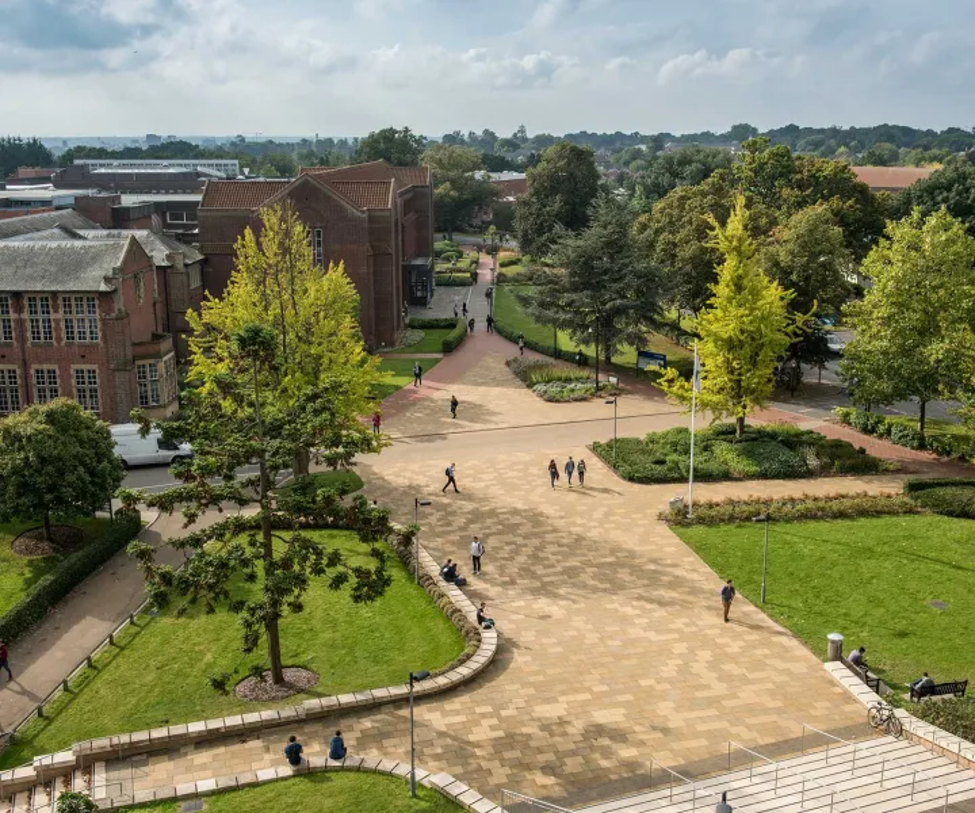
The University of Southampton offers postgraduate study across disciplines ranging from engineering and medicine to humanities, social sciences, and the arts. Students study across a network of campuses, including the Boldrewood Innovation Campus and the Waterfront Campus at the National Oceanography Centre.
For students interested in how people, goods, and resources move around the world, Southampton provides an unusual opportunity to study these questions in a city where they are part of everyday life. Located on England's south coast and home to one of the UK's busiest ports, the university serves as a living laboratory for transportation, sustainability, marine environments, and the forces that connect local communities to global challenges.
For this week's Marshall Monday blog, we explore how Southampton's maritime location has helped shape a distinctive ecosystem of research and teaching. From transportation networks and sustainable engineering to ocean science and maritime archaeology, these fields demonstrate how the movement of people, goods, and ideas shapes the world around us.
Southampton's connection to the sea extends far beyond the university. For centuries, the city has served as one of Britain's principal gateways to the world, linking southern England to international trade routes and maritime networks. Today, its port remains one of the UK's busiest, handling vehicles, containers, cruise passengers, and goods from around the globe. This long history of movement and exchange continues to shape Southampton's identity, making it an especially compelling place to study the connections between people, economies, and environments.
For postgraduate students, the city itself becomes part of the learning experience. Through a diverse international community and strong links with industry and research partners, students connect academic interests with real-world challenges.
Driving the Future of Transport
Southampton's role as a major UK port makes it an ideal place to study transport and logistics. Researchers in the University's Transportation Research Group work on projects focused on improving the efficiency, resilience, and sustainability of transport systems. From freight movement to emerging mobility technologies, their work addresses the challenges of modern transport networks.
The city itself provides a valuable case study. As the UK's leading vehicle-handling port, Southampton processes around 900,000 vehicles each year and serves as a major gateway for international trade, demonstrating the scale and complexity of modern supply chains in real time.
Understanding how people and goods move is only part of the challenge. Equally important is finding ways to make those systems more sustainable.
Engineering a More Sustainable World
At Southampton, researchers are developing technologies to reduce emissions across transport and energy systems. The Southampton Marine and Maritime Institute research into hydrogen-powered shipping was highlighted at London International Shipping Week 2025. Researchers explored hydrogen's potential to help decarbonize maritime transport and support the transition to zero-emission shipping.
This builds on Southampton's wider expertise in hydrogen, batteries, and alternative propulsion technologies for road and marine transport. Students can engage in research that contributes directly to the transition to net-zero.
Developing cleaner transport systems also requires smarter technologies to monitor, manage, and operate them.
Intelligent Systems on Land and Sea
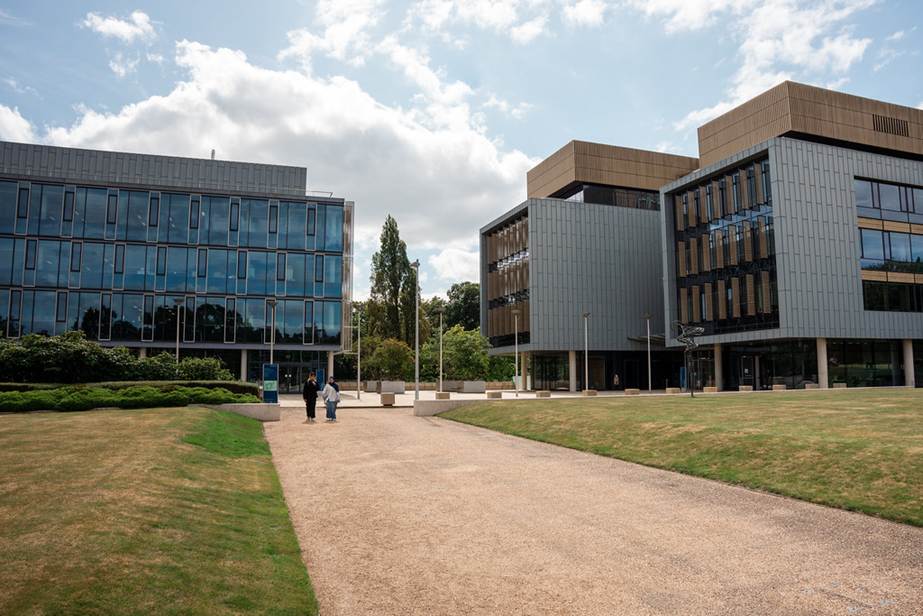
At the Boldrewood Innovation Campus, Southampton researchers are advancing autonomous systems, robotics, and intelligent sensing technologies for use on land and at sea. Research in maritime autonomy includes autonomous surface and underwater vehicles alongside AI-enabled systems that improve navigation, mission planning, and environmental monitoring.
Many of these technologies are used not only to solve engineering problems, but also to answer scientific questions and develop policy solutions. By combining expertise in engineering, autonomy, and maritime science, Southampton is developing new ways to understand our oceans and the impacts of environmental change.
Understanding Our Ocean Planet
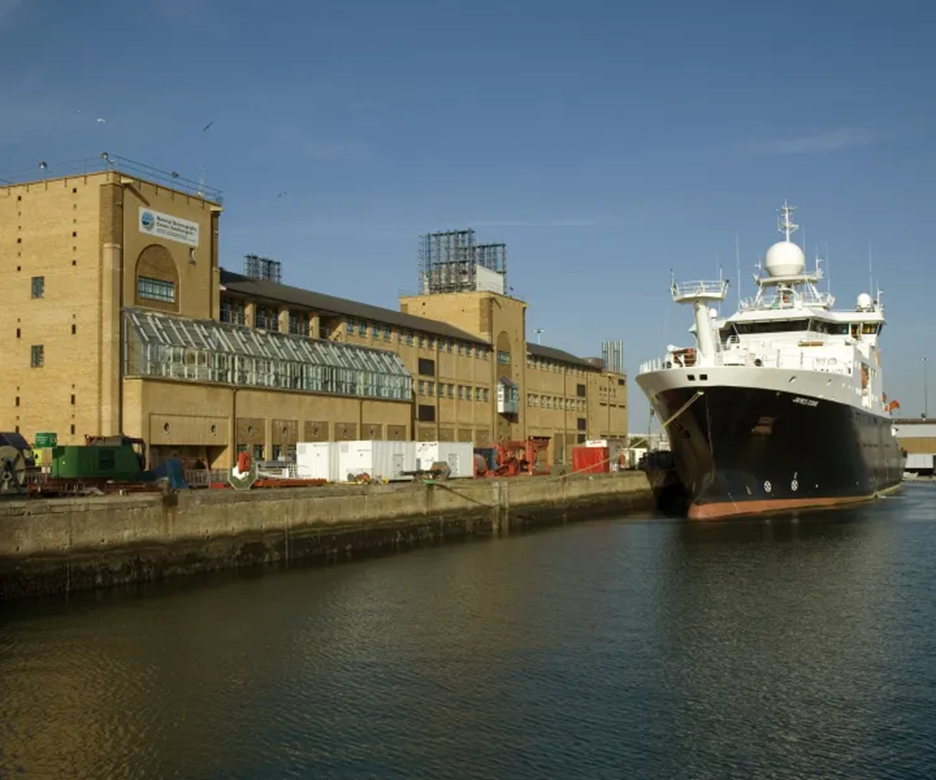
Southampton's maritime focus extends beyond transport and engineering. The university's Waterfront Campus, located at the National Oceanography Centre, brings students into one of Europe's leading environments for ocean and Earth science research.
Here, researchers study climate systems, marine ecosystems, ocean circulation, and coastal environments, helping improve our understanding of the planet and the challenges it faces. Students learn from global experts while gaining experience through fieldwork, data analysis, and specialist facilities.
The same tools used to understand the modern ocean can also reveal stories about the people who have depended on it for centuries.
Discovering the Past Beneath the Waves
The same technologies that support modern oceanographic research also open new windows into the past. At the Centre for Maritime Archaeology, researchers use remote sensing, marine geophysics, and autonomous survey technologies to investigate shipwrecks, submerged landscapes, and traces of ancient coastal communities now hidden beneath the sea.
By combining archaeological expertise with innovations in marine engineering and ocean science, they are uncovering how people interacted with the sea over thousands of years while providing insights into long-term environmental and coastal change.
Making an Impact
From the movement of goods through global trade networks to the study of ocean ecosystems and maritime heritage, Southampton's researchers explore the interconnected systems that sit at the crossroads of land and sea. What makes the university distinctive is not simply the depth of expertise within individual disciplines, but the way engineers, oceanographers, archaeologists, and other researchers work across traditional boundaries.
Many of the challenges explored at Southampton span multiple disciplines. Understanding climate change, sustainable transport, coastal environments, and maritime heritage require expertise from engineering, environmental science, policy, history, and the humanities. For students drawn to complex global challenges and public impact, Southampton offers opportunities to engage with questions that are both internationally significant and deeply interdisciplinary, connecting research directly to questions that shape the future of our oceans, coasts, and interconnected world.
For more information about the University of Southampton, see our partnership page: SOUTHAMPTON MARSHALL SCHOLARSHIPS – Marshall Scholarships. To see the University's recent presentation as part of the 'Marshall Mondays' series of programming, visit our Marshall Monday page here: Marshall Mondays – Marshall Scholarships.